Endoscopic facelift in Almaty
Targeted brow, temple and midface lifting when clinically appropriate.
Book a consultation ↗← Back to procedures
Individual surgical planning
Upper-face and brow-position concerns are assessed within the individual planning of an endoscopic facelift.
Targeted brow, temple and midface lifting when clinically appropriate.
We discuss anatomy, indications, alternatives, limitations, scars, anaesthesia and recovery. Website information does not replace individual assessment.
Planning your procedure
The areas treated endoscopically depend on brow position and upper- and midface tissues. Discuss asymmetry, altered sensation, nerve injury, hair changes near incisions and recurrent tissue descent.
Recovery and follow-up
Recovery planning covers incision care, swelling and return to usual activities. Tissue position and scars are assessed over time.
Procedure considerations and risks
Anaesthesia, bleeding, infection and wound healing are also discussed for any surgery. Your individual risks and alternatives are reviewed during consultation.
Questions to discuss
- What would you like to change?
- What features would you like to preserve?
- Which risks and limitations matter most to you?
Your surgical plan, expected changes and recovery steps are agreed with you during consultation.
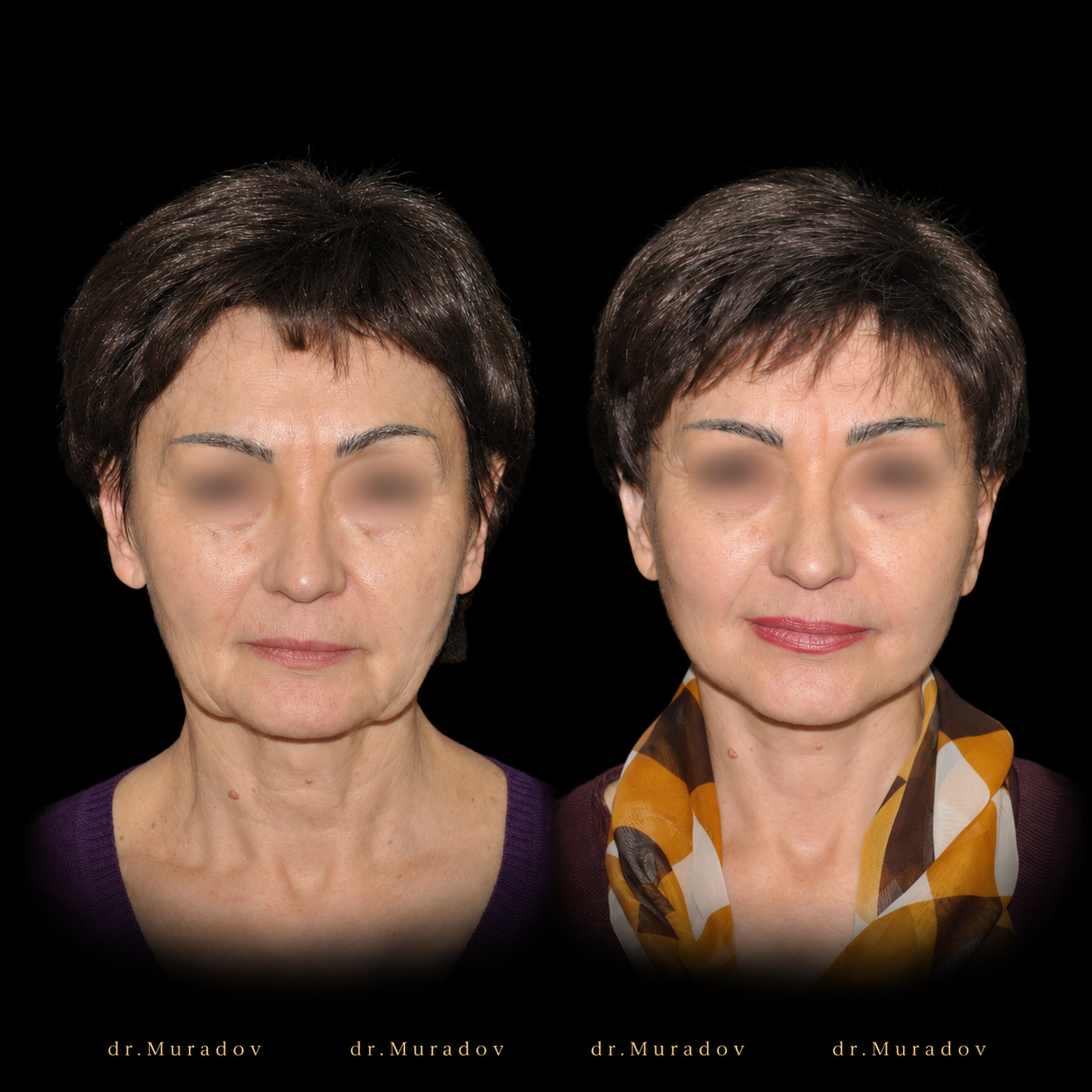
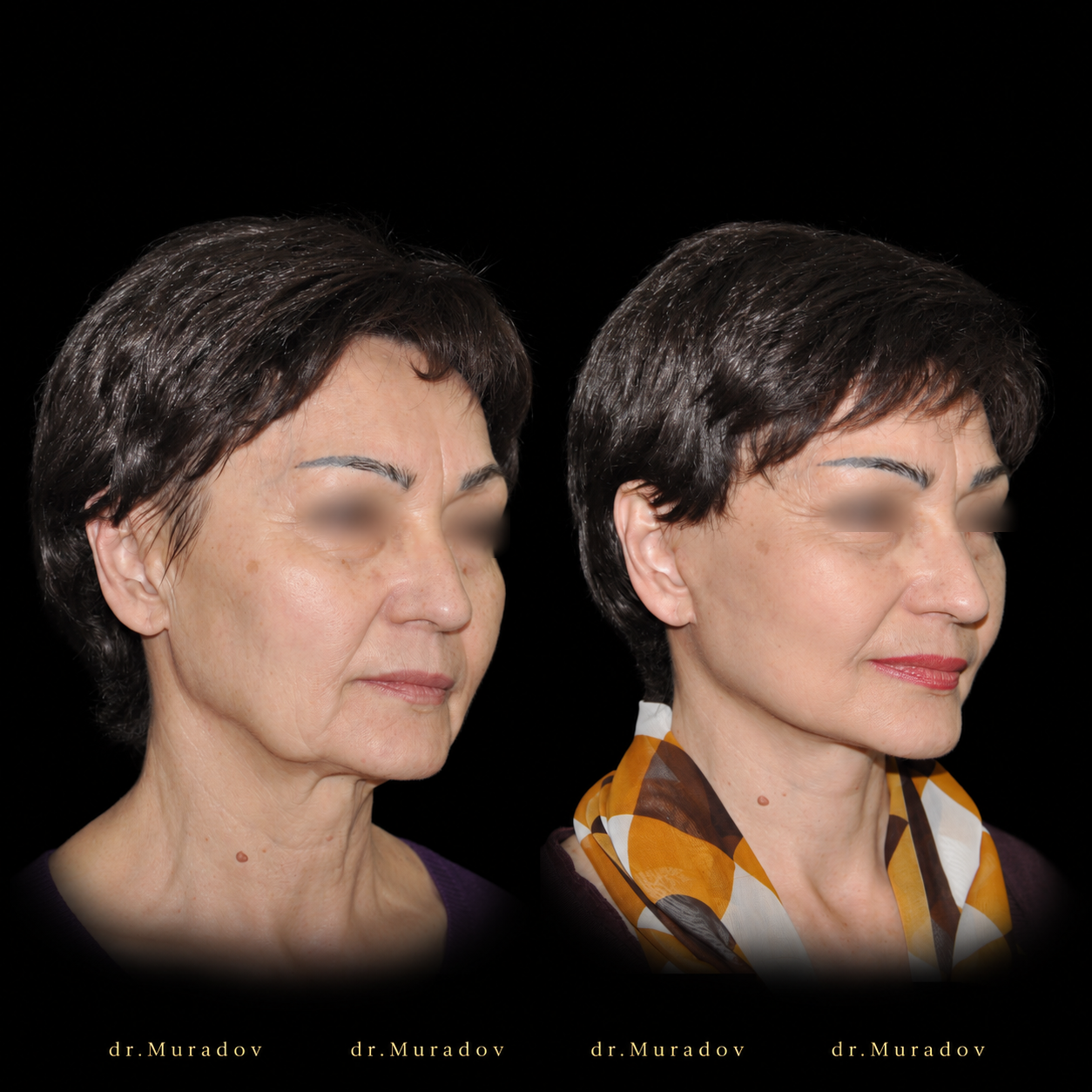
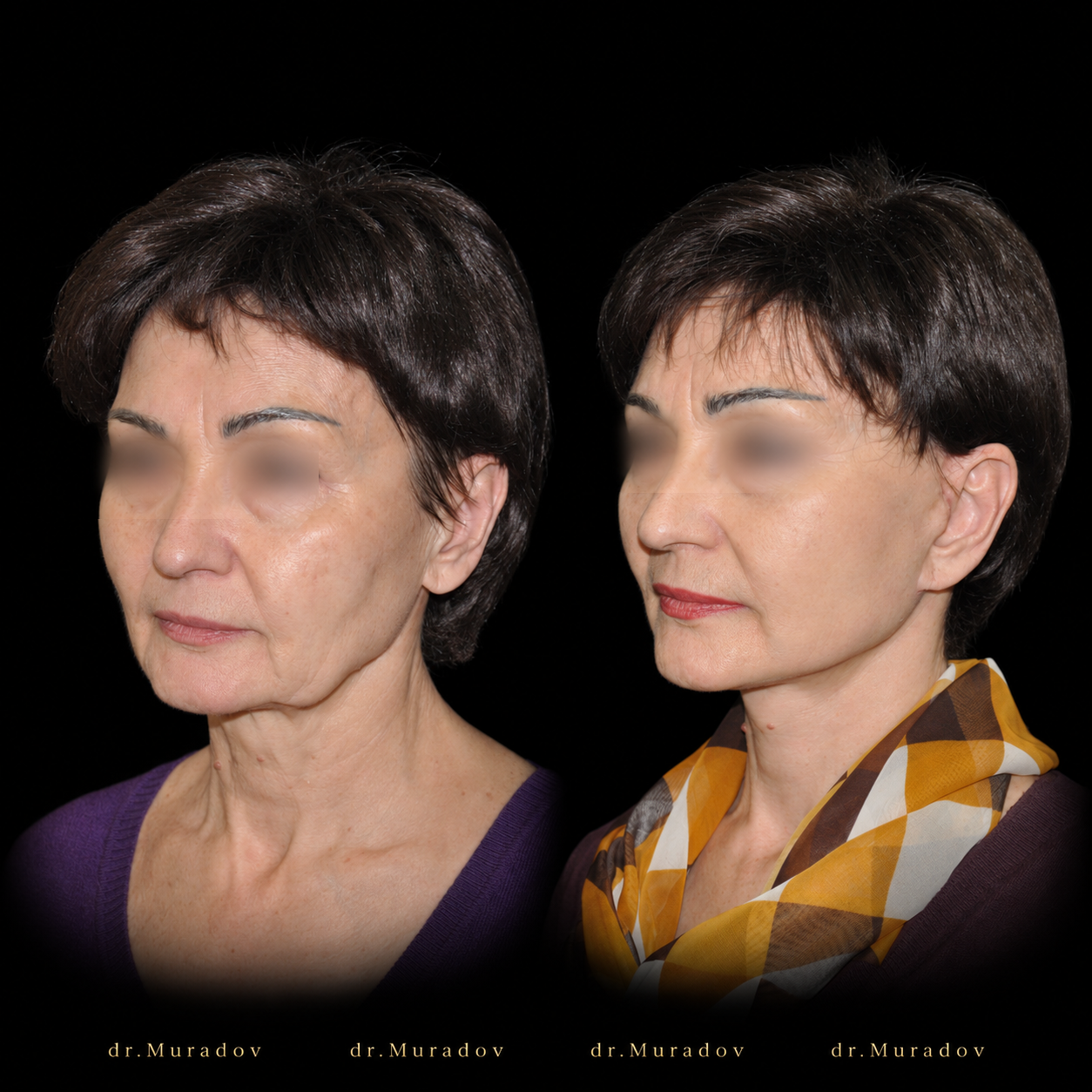
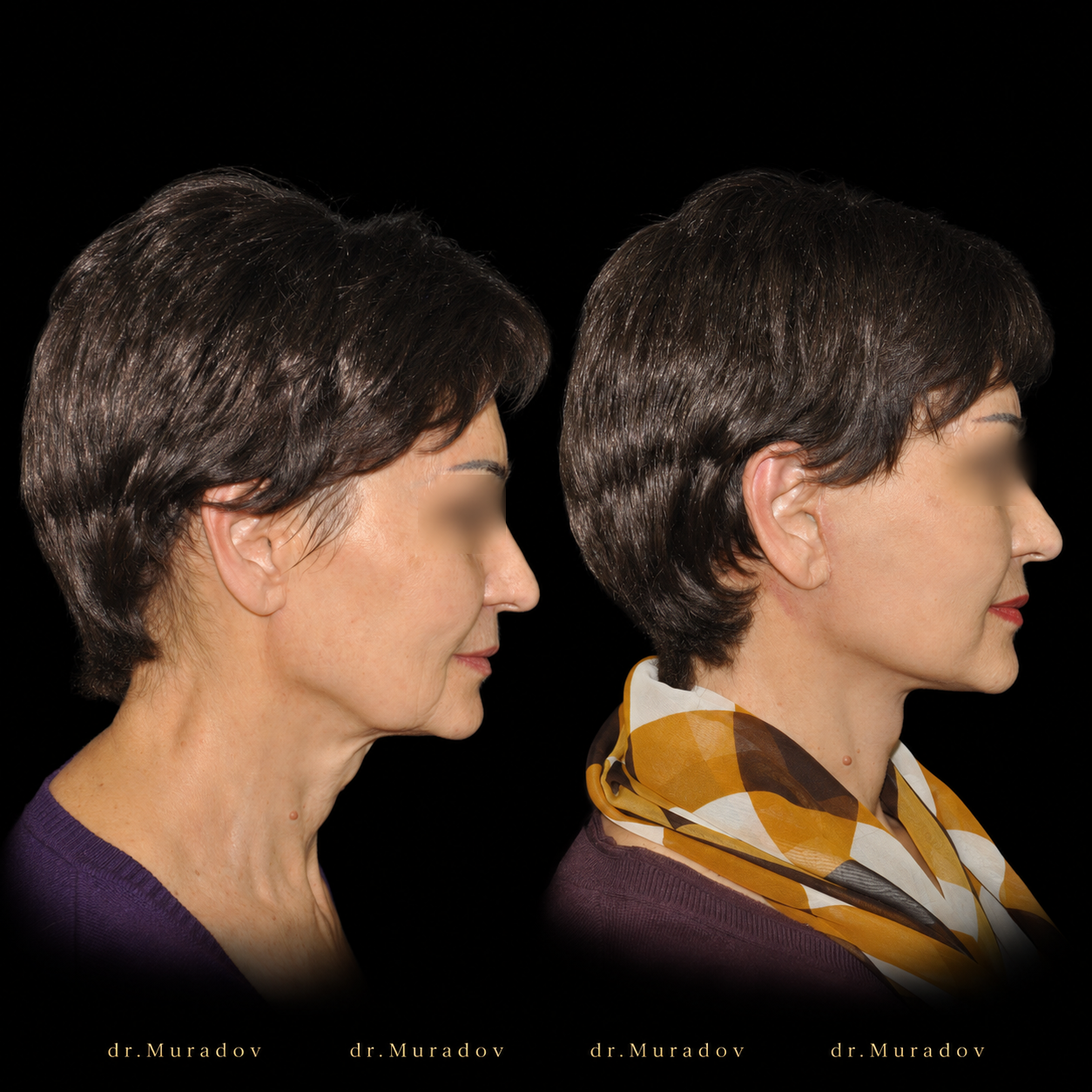
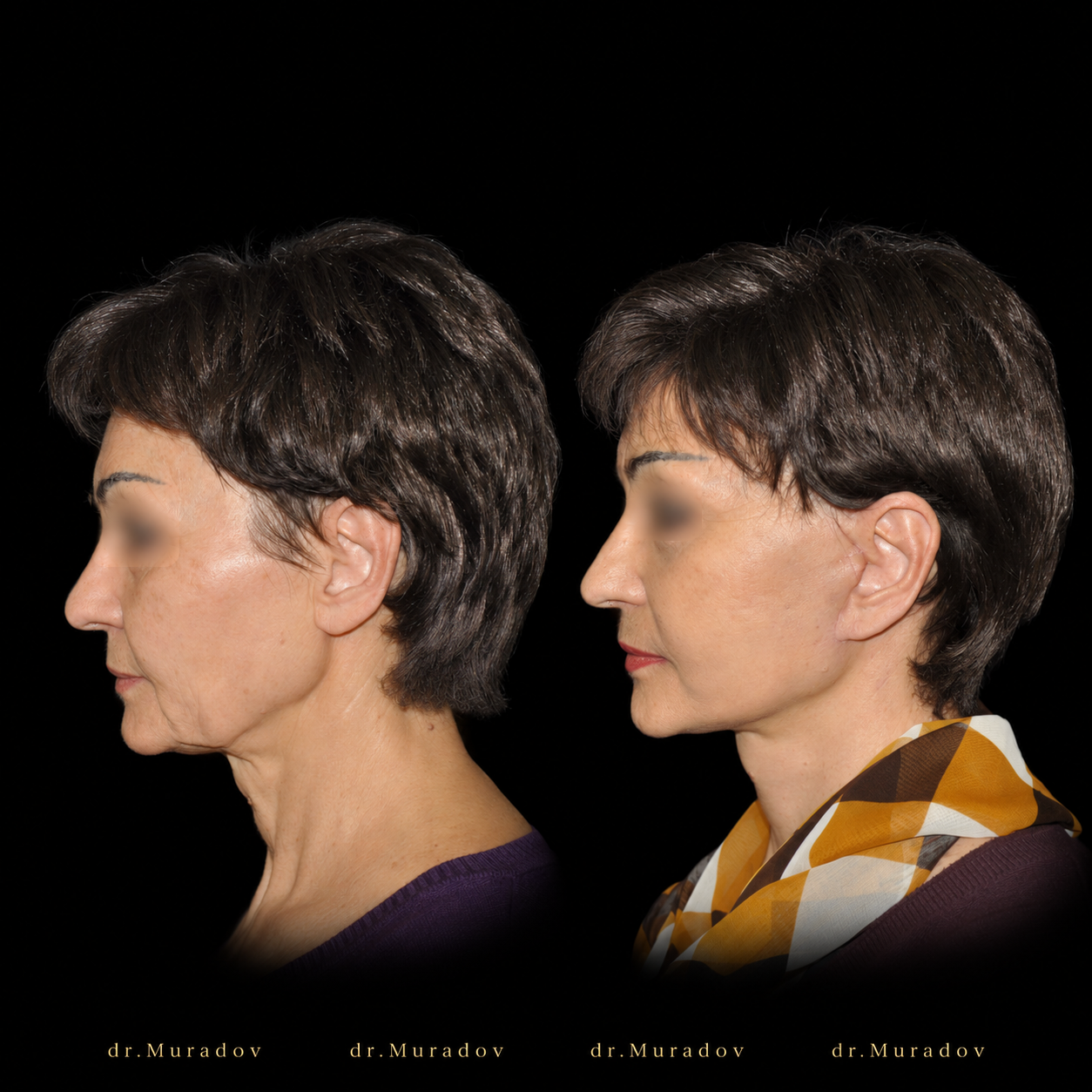
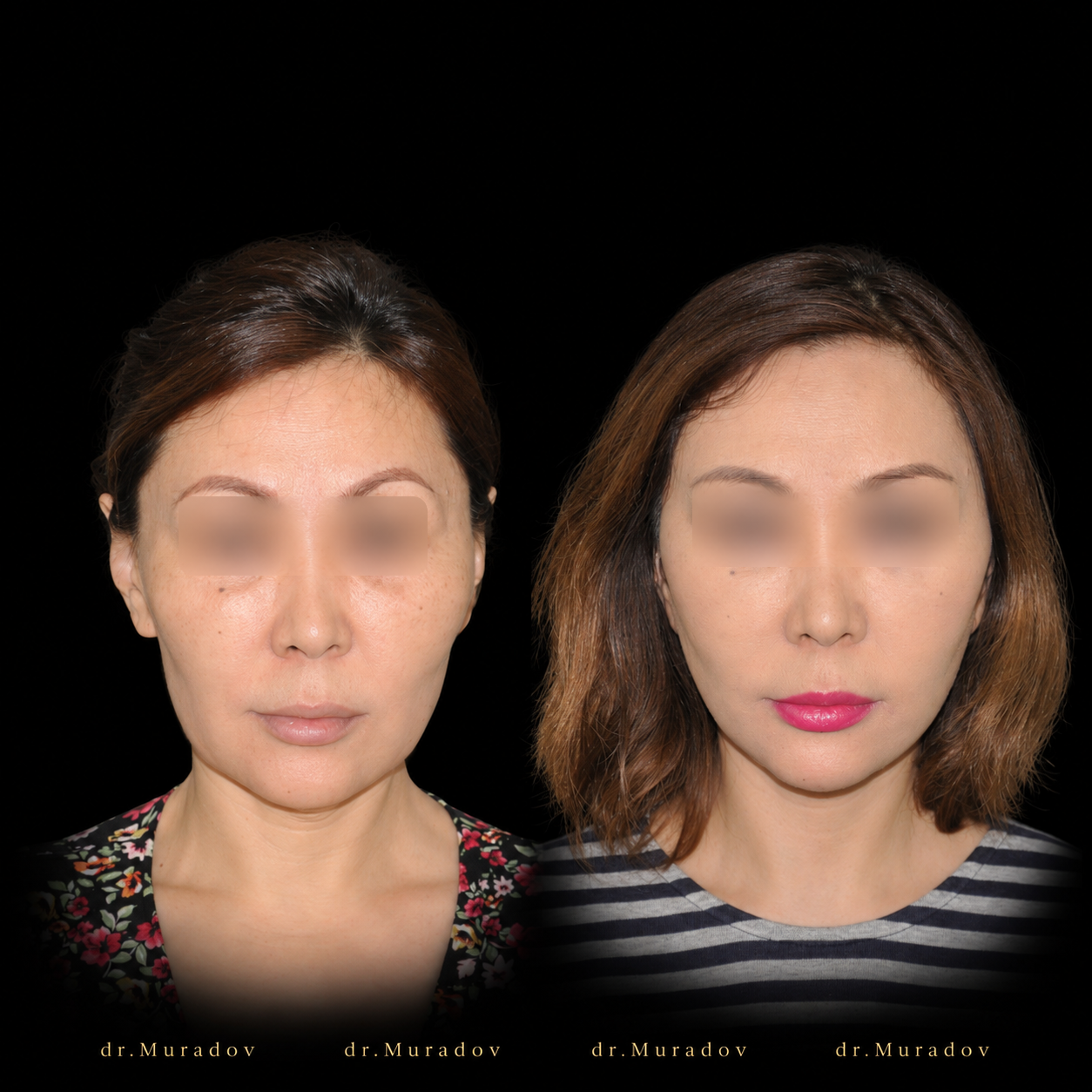
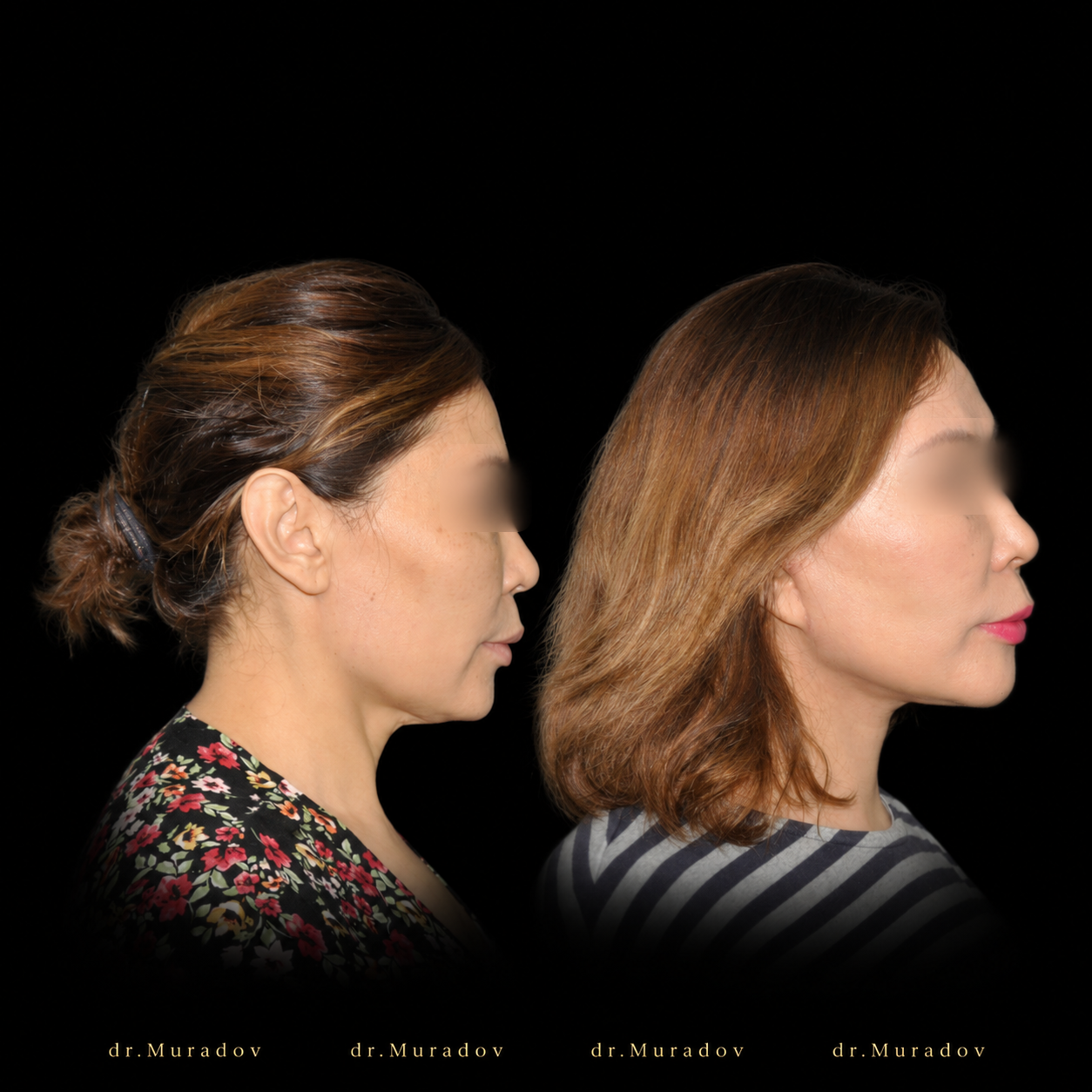
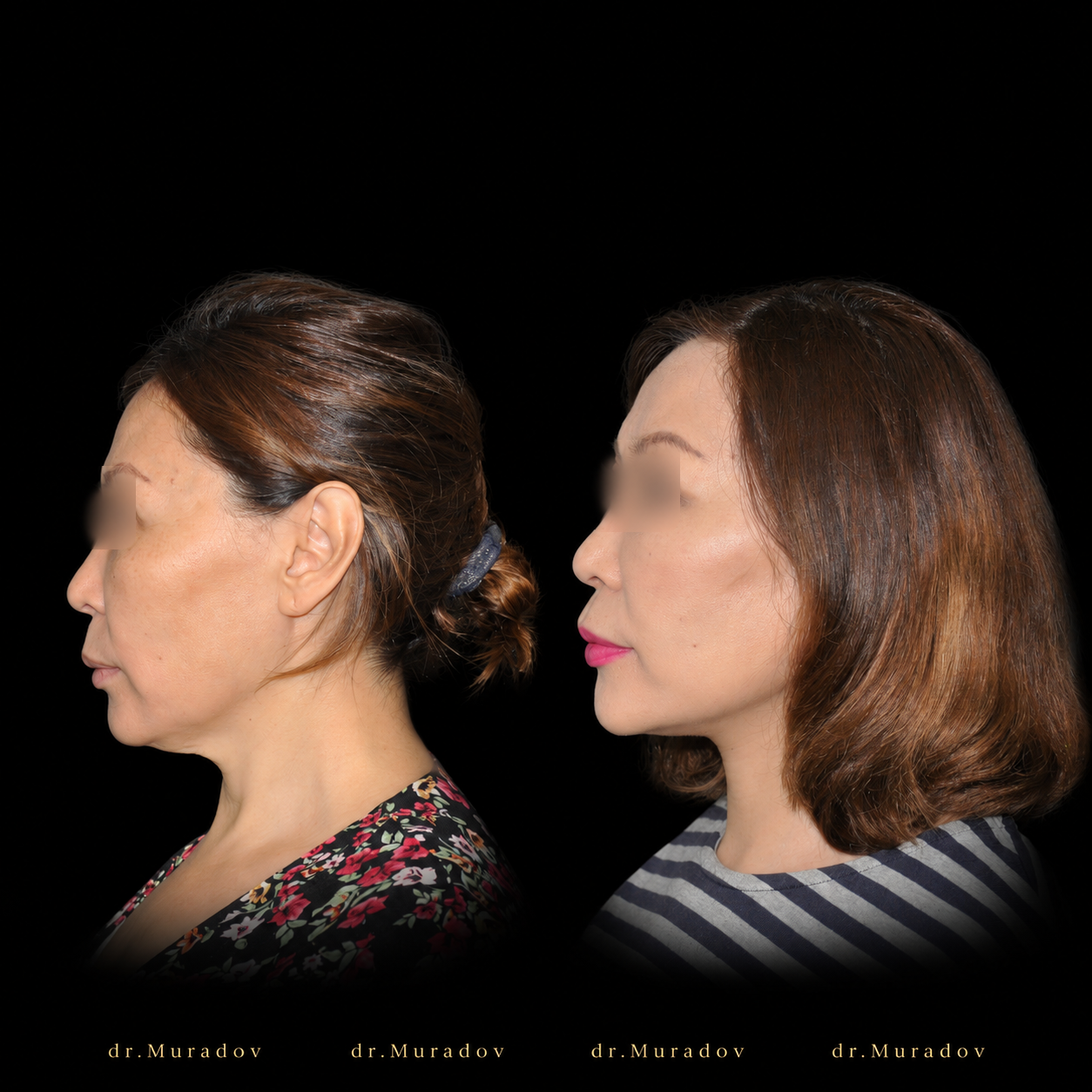
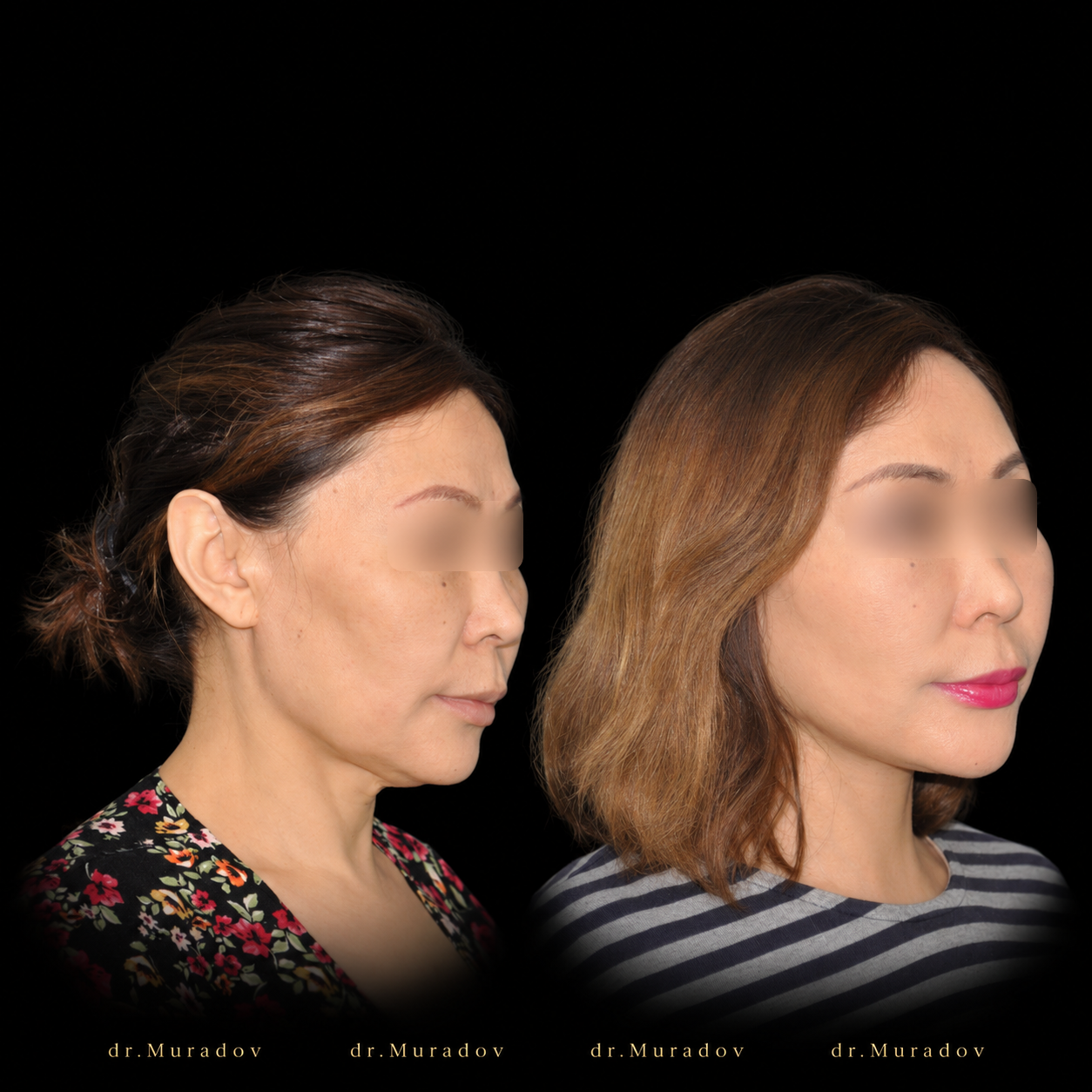
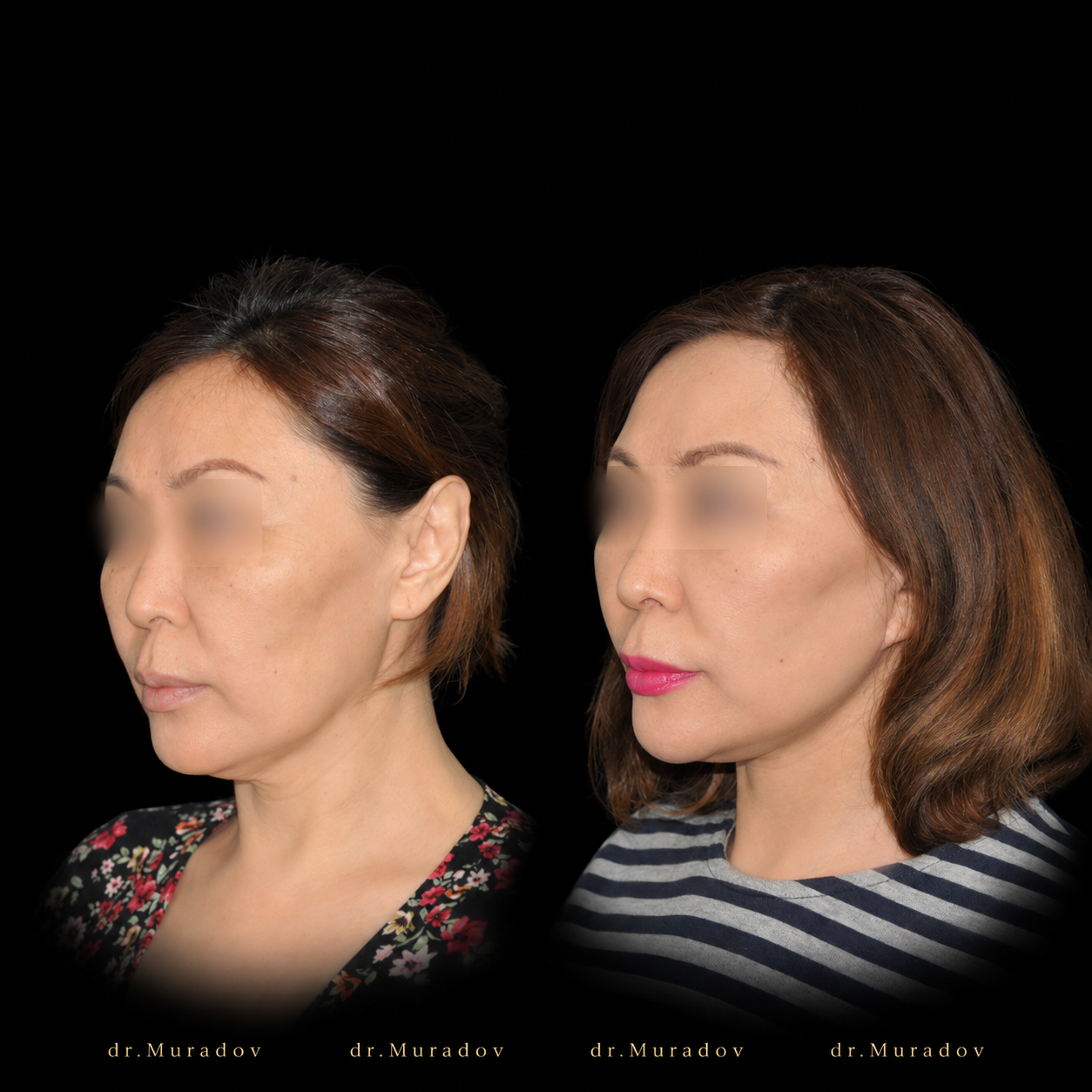
Clinical examples: endoscopic facial lift
Before-and-after endoscopic facial lift examples in the main views.
Clinical case 1
Standard series: frontal, oblique and profile views.
 AFTER
 AFTER
 AFTER
 AFTER
 AFTER
Clinical case 2
Endoscopic facial lift: frontal, profile and oblique views.
 AFTER
 AFTER
 AFTER
 AFTER
 AFTER
These examples show individual outcomes. Recovery, baseline anatomy and the extent of surgery differ; photographs do not guarantee a similar result.
Frequently asked questions
How is the appropriate extent of surgery determined?
Discuss your goals, tissue position, previous operations and health. The treatment area and surgical approach are selected after examination, rather than from the name of a technique alone.
What should I tell the surgeon before surgery?
Disclose previous procedures, medical conditions, allergies, all medications and supplements, and nicotine use. Do not stop prescribed medication yourself; changes must be agreed with your treating clinicians.
Will there be incisions and scars?
Endoscopic surgery requires surgical access. Incision placement and possible scars depend on the treatment area and chosen plan and are discussed before consent.
Which limitations and risks should I discuss?
Ask about haematoma, infection, sensory changes, nerve injury, asymmetry, scar problems and possible revision. The risk discussion is tailored to your specific procedure.
How is recovery planned?
Agree on care, activity restrictions, help at home and follow-up before surgery. Follow-up and return to work depend on the extent of surgery and healing.
Further patient information: ASPS — consultation · ASPS — safety · ASPS — recovery ·
The ASPS brow lift resources concern the upper face; your specific endoscopic treatment plan is discussed separately.